It is hard to argue against the suggestion that France have the best squad in international football.
You might therefore think managing such an elite group of players is an easy task - but this is not necessarily true.
For evidence, look at the number of occasions when clubs have crumbled under the wealth of talent signed or the challenge of managing the personalities of superstars.
Since taking the France job in 2012, Didier Deschamps has continually reinvented his sides and got the most from France's huge pool of talent.
Even more impressively, he has earned a reputation for doing so mid-tournament - tweaking his system game by game to land on formulas that win the World Cup or come very close to doing so.
This familiar pattern seems to be emerging in this World Cup too.
Deschamps has been especially adept at maximising his top attacking talent and appears to have prioritised getting the most from Kylian Mbappe.
Mbappe, now 27, prefers to be involved in the game rather than just being a last-line runner to finish off moves - as he did so brilliantly as a 19-year-old in France's 2018 win.
Fitting him in as a number nine while making the rest of the team tick is Deschamps' big challenge at this World Cup.
In qualifying, Deschamps had built a logical, if unusual, system. On paper, it was a lopsided 4-2-4 or a 4-2-3-1.
Hugo Ekitike played on the left, with Mbappe dropping deep and pulling wide, close to the Liverpool forward. Ekitike, from the wing, or Dembele - from a more standard number 10 position - could both move into centre-forward positions. Michael Olise played on the right wing.
In the opening game of this World Cup against Senegal, Deschamps set France up in a similar manner, with Desire Doue coming in for the injured Ekitike.
- Image caption,
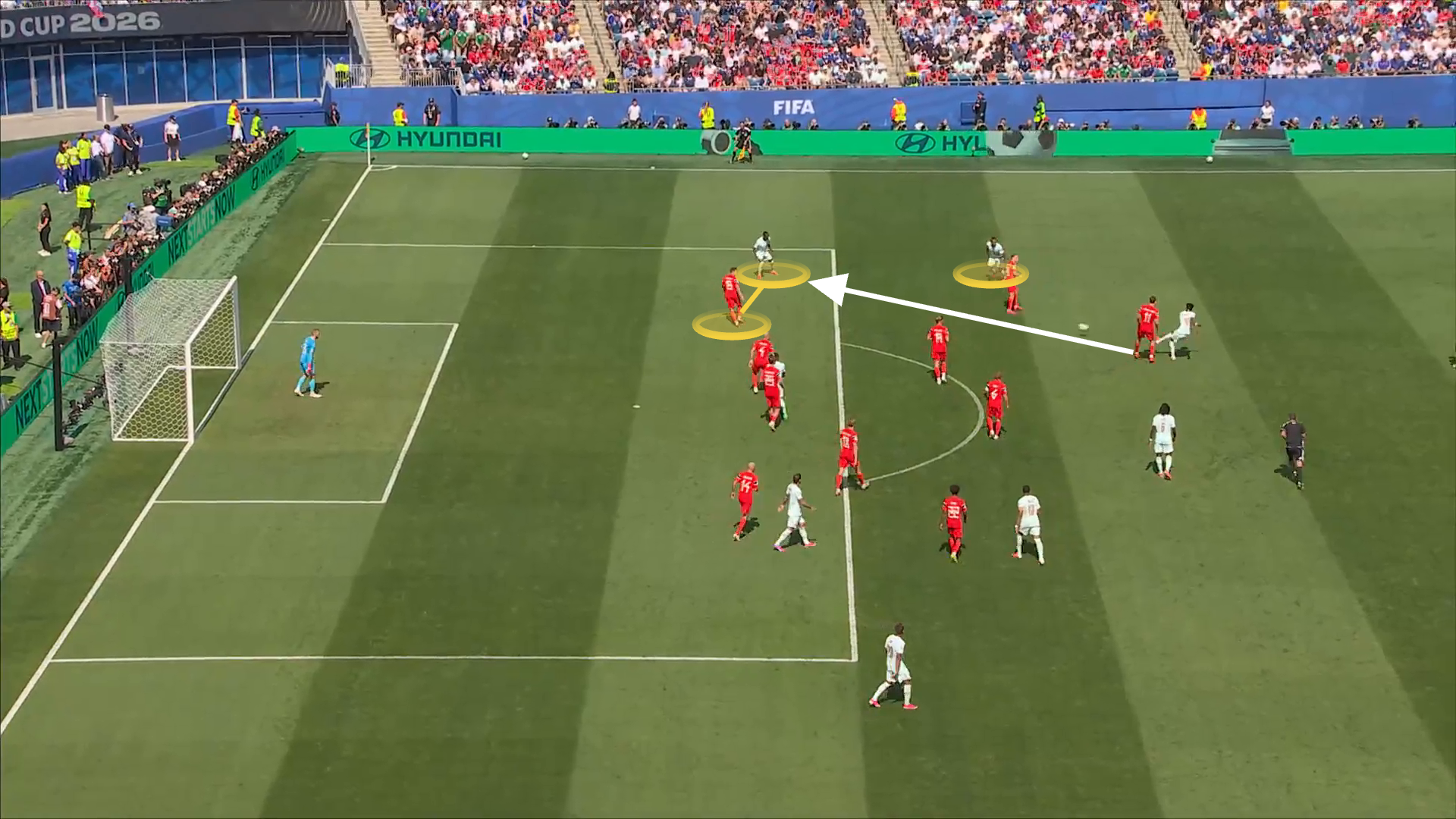
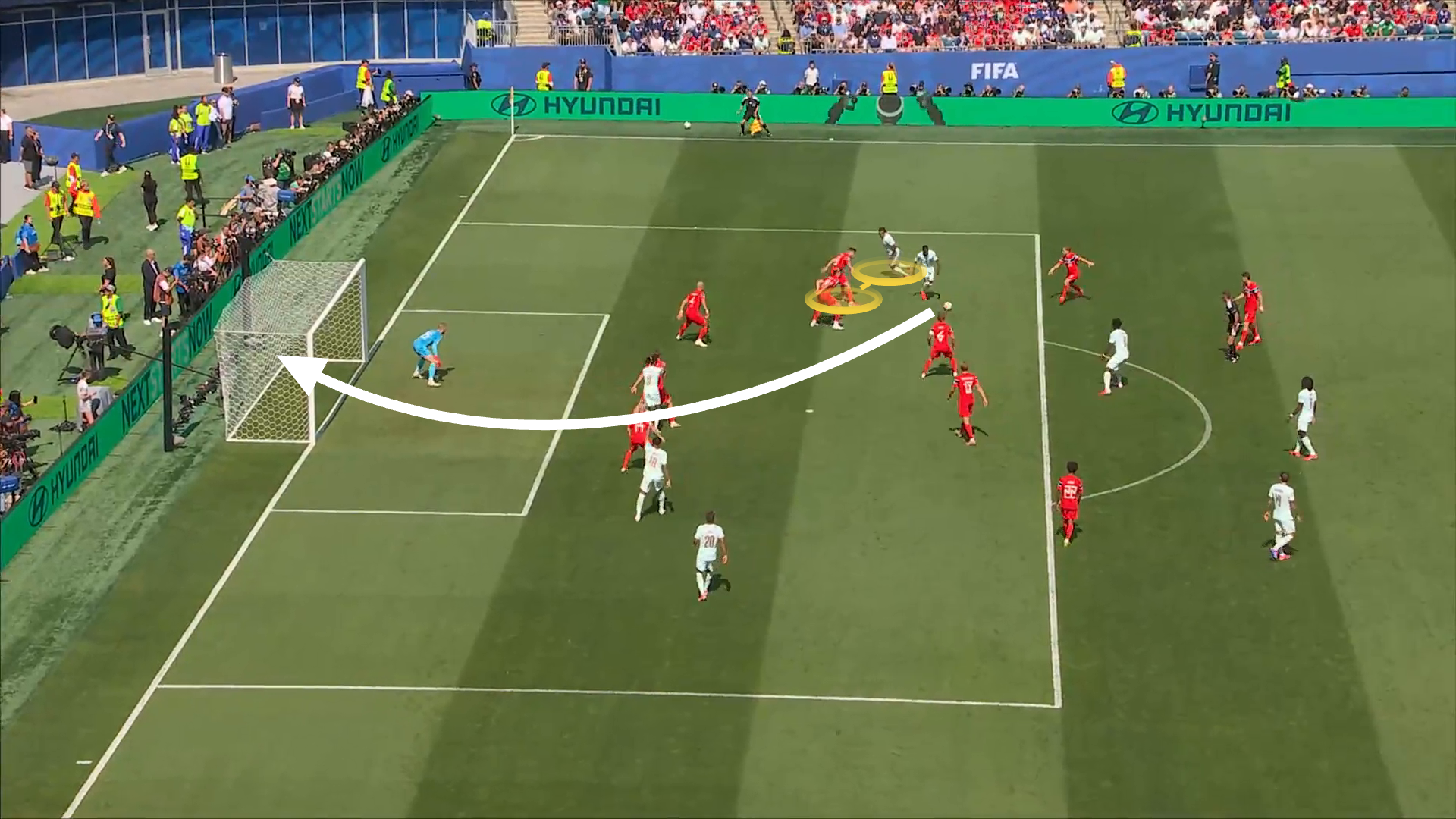
Kounde's deeper and more central position allows Dembele to receive the ball, one v one against the Norway full-back











:strip_icc():format(jpeg):watermark(kly-media-production/assets/images/watermarks/bola/watermark-color-landscape-new.png,1125,20,0)/kly-media-production/medias/5215189/original/094397100_1746795977-20250509AA_Persija_Jakarta_vs_Bali_United-8.jpg)



:strip_icc():format(jpeg)/kly-media-production/medias/5414734/original/095074300_1763347294-Ivar_Jenner_Timnas_U-22-4.jpg)