 Image source, Getty Images
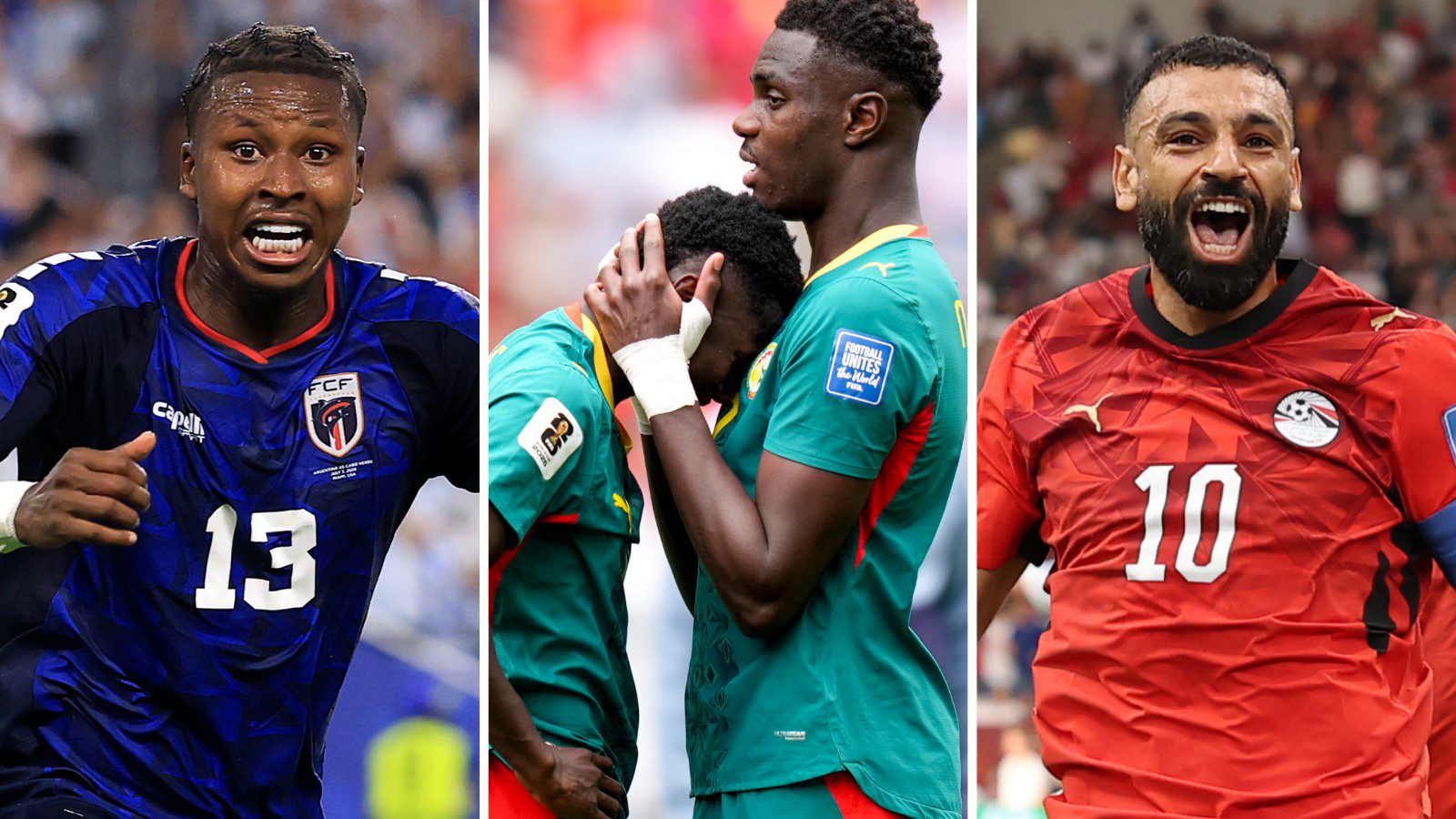
Cape Verde reached the last 32 on their World Cup debut and Egypt registered a first win at the finals but Senegal will rue the manner of their exit
ByRob Stevens
BBC Sport Africa
Africa sent its largest ever contingent to the 2026 Fifa World Cup, but while there were undoubtedly some great storylines, how successful was the tournament overall for the 10 teams who travelled?
After nine nations made it into the knockout stage, Confederation of African Football (Caf) boss Patrice Motsepe said they had made the continent's 1.6 billion people proud.
But only Morocco made it to the quarter-finals, while exiting after conceding late goals was a recurring fate which befell five sides - with Senegal and Egypt squandering two-goal leads as they crashed out in dramatic style.
The Egyptians and DR Congo did at least register their first wins at a World Cup, while Cape Verde, Ivory Coast and South Africa joined them in getting past the group stage for the first time.
With the World Cup returning to Africa in 2030, when Morocco co-hosts alongside Spain and Portugal, what can the continent's sides learn from the first 48-team tournament?
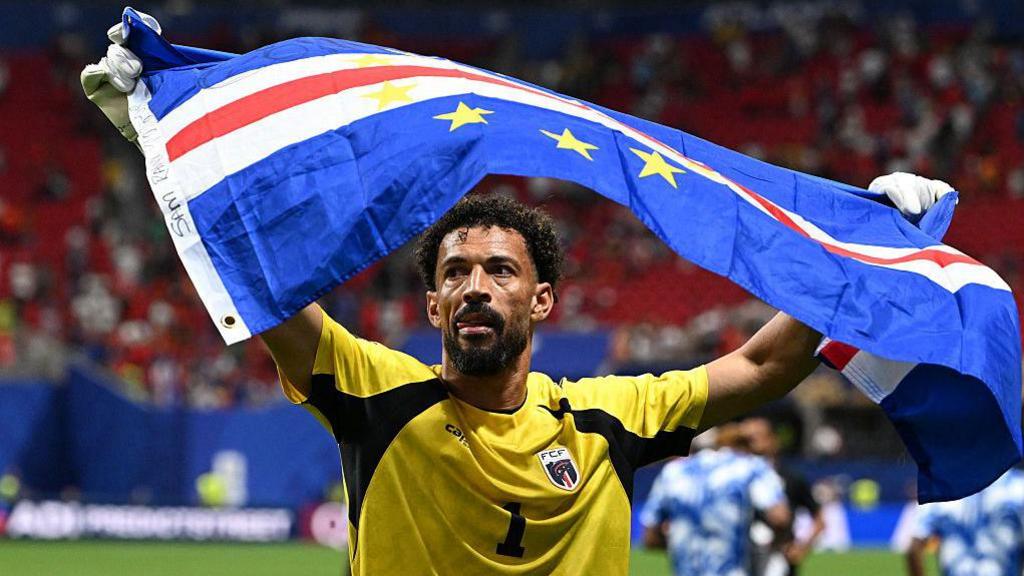 Image source, Getty Images
Cape Verde goalkeeper Vozinha saw his fame skyrocket after a string of saves against Spain and Argentina
Cape Verde were undeniably the story of the World Cup, with the debutants reaching the last 32 after draws against Spain, Uruguay and Saudi Arabia.
The Blue Sharks then came close to pulling off one of the all-time upsets against defending champions Argentina, fighting back from a goal down twice before losing 3-2 after extra time.
Goalkeeper Vozinha became a viral sensation with each save, his followers on Instagram going from 50,000 to over 29 million by the end of the tournament. The 40-year-old's sudden fame even saw a newly-discovered species of sea slug named after him.
Cape Verde's talent has been plain to see at the Africa Cup of Nations (Afcon) over recent years, and defender Roberto 'Pico' Lopes says the islanders showed they are "more than capable" of competing with the world's elite.
"We've put ourselves on the map," Lopes told BBC Sport.
"We're a small nation but with big hearts and we showed what is possible - and if you believe, you can achieve."
Atlas Lions assert dominance
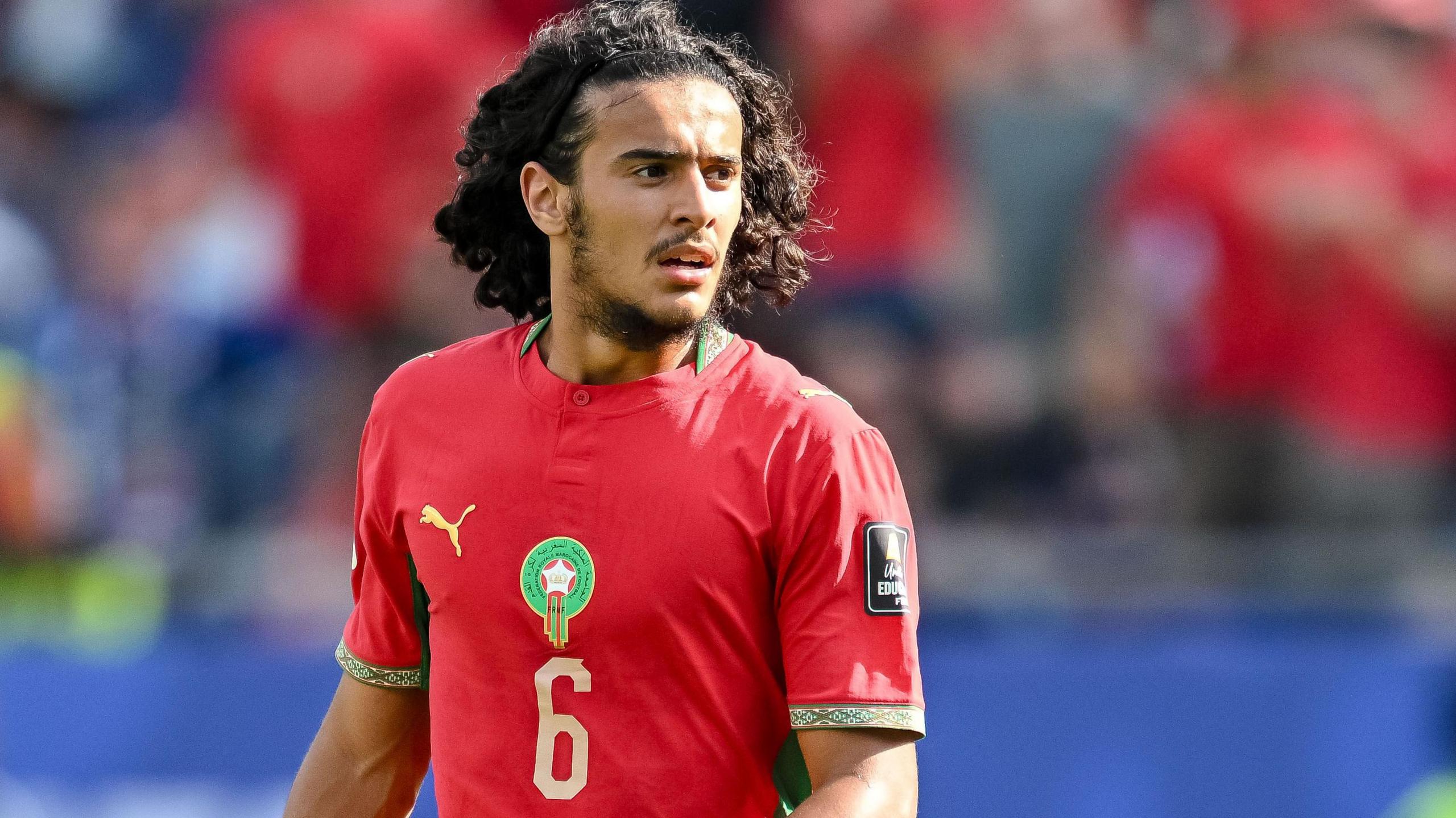 Image source, Getty Images
Ayoub Bouaddi has been linked with a move to one of Europe's top clubs after impressing for Morocco during their run to the quarter-finals
Morocco underlined their position as the continent's top-ranked team by becoming the first African side to appear in successive quarter-finals.
Yet the Atlas Lions could not match their last four achievement from Qatar 2022 after France, as was the case four years ago, again got the better of the North Africans.
The side's style of play has become more expansive since Mohamed Ouahbi took over from Walid Regragui, with 18-year-old midfielder Ayoub Bouaddi catching the eye.
"We have a young team who want to grow, who will continue to do so. We have talented players who will enable us to grow," said Ouahbi.
The scourge of late goals
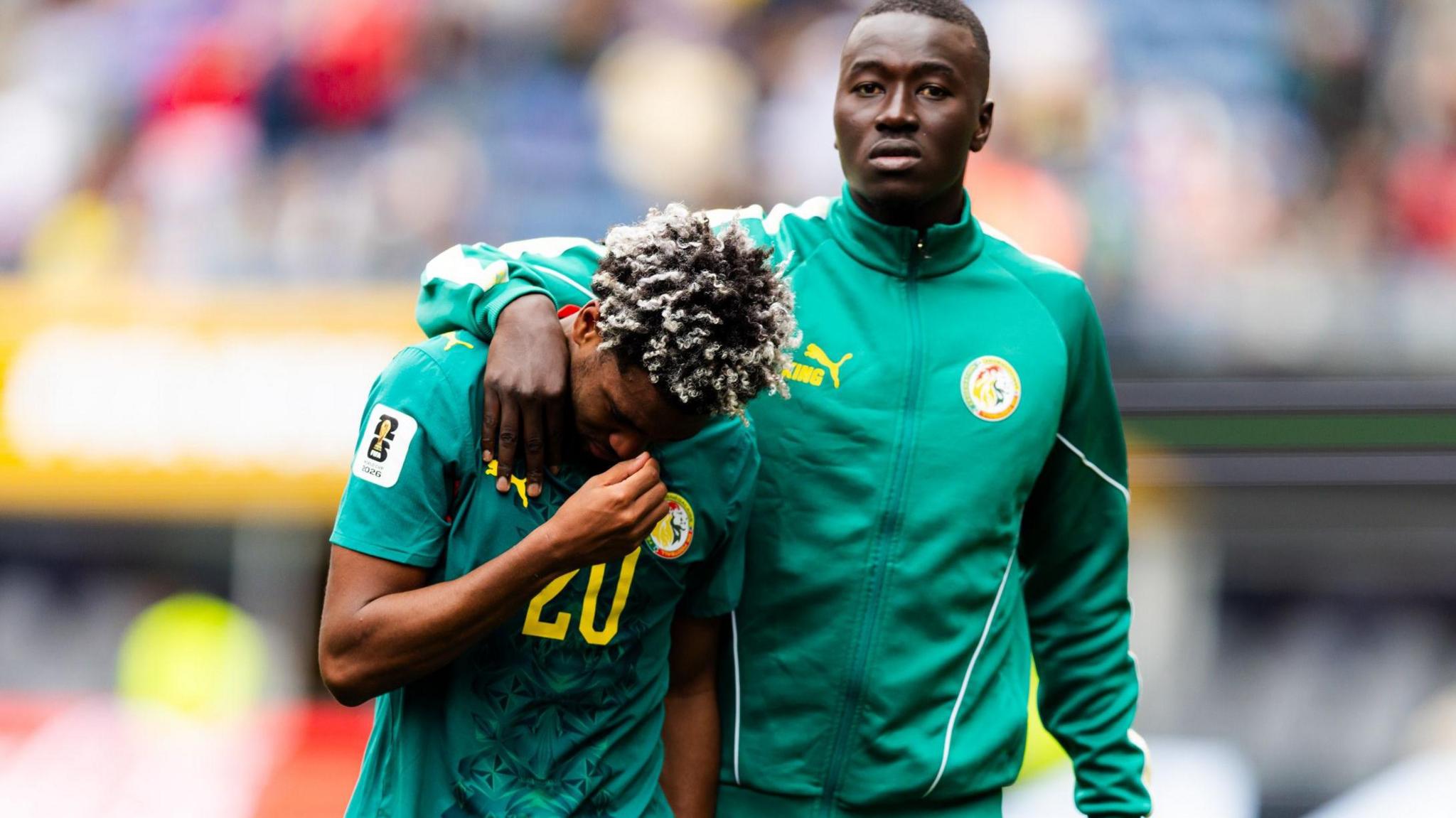 Image source, Getty Images
Senegal led Belgium 2-0 after 85 minutes of their last-32 tie but the Teranga Lions lost 3-2 after the Europeans netted the latest ever winner in World Cup history
Former Ivory Coast defender Emmanuel Eboue told the BBC before the tournament that African sides were susceptible to conceding late goals because of a lack of concentration.
His assertion was born out as DR Congo and the Ivorians both conceded winners in the 86th minute of their last-32 ties, while Canada scored in the second minute of added time to send South Africa home in the same round.
Senegal (against Belgium in the last 32) and Egypt (against Argentina in the last 16) went from 2-0 up late on to 2-2 within the space of three and five minutes respectively. The Teranga Lions eventually lost to a 125th-minute penalty and the Pharaohs were eliminated by Enzo Fernandez's 92nd-minute header.
With Algeria and the Ivorians also conceding injury-time goals when on the brink of famous results in the group stage, it begs the question: do African teams have a problem closing out games?
"I wouldn't say it was a trend. I think it's just unlucky," Dr Nikita Rowley, a chartered psychologist and course director for sport and exercise psychology at Coventry University, told BBC Sport Africa.
"Every team is more susceptible to mistakes in the closing stages of a match. By that point players are experiencing both physical and cognitive fatigue.
"That cognitive fatigue can affect attention, decision making, communication and makes more lapses more likely. Emotions can be heightened and every action carries greater significance.
"The closer you get to something historic, the more psychologically demanding it can become."
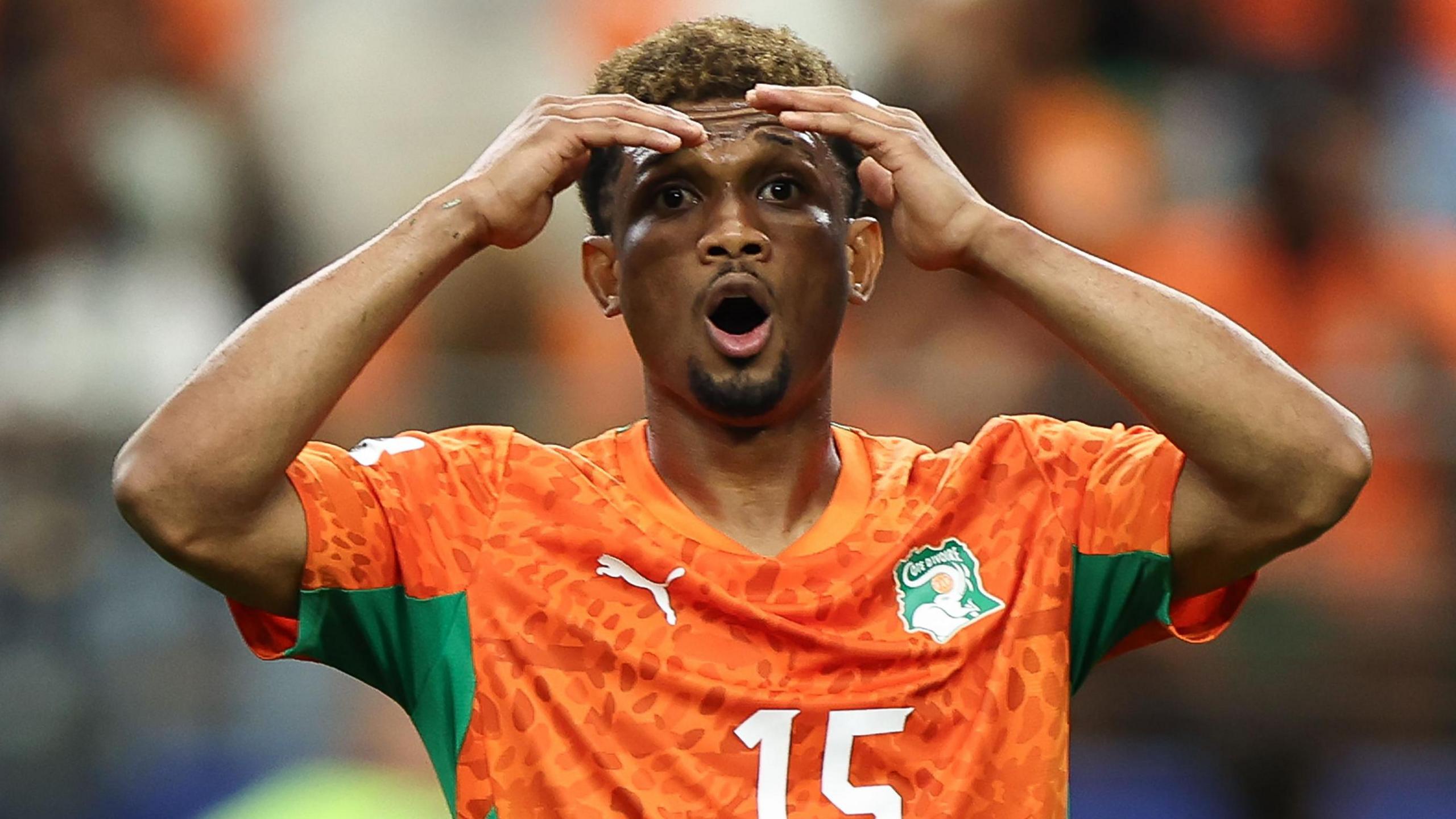 Image source, Getty Images
Amad Diallo helped Ivory Coast reach the knockout stage of the World Cup for the first time, but the Elephants exited after conceding a late goal against Norway
Africa were the big beneficiaries of the World Cup's expansion to 48 teams, with its number of representatives going from five to a guaranteed nine before DR Congo also made it through intercontinental play-offs.
With all but Tunisia getting past the group stage, the hope is the continent's footballers will be better prepared next time.
"The reality is that the vast majority of the players in African national teams are not used to these high-stakes games," Gambian coach Mattar M'Boge, who works in talent identification for Fifa, told BBC Sport Africa.
"The Europeans and the South Americans have advantages because they're playing more games.
"The Nations League is coming (to Africa) but it's something that's been a success for [Europe] because they're having promotion and relegation. There's always something on the line.
"Within Africa, as we continue to grow, develop and gain experience, eventually we will have teams used to this collective responsibility."
Tournament to forget for Carthage Eagles
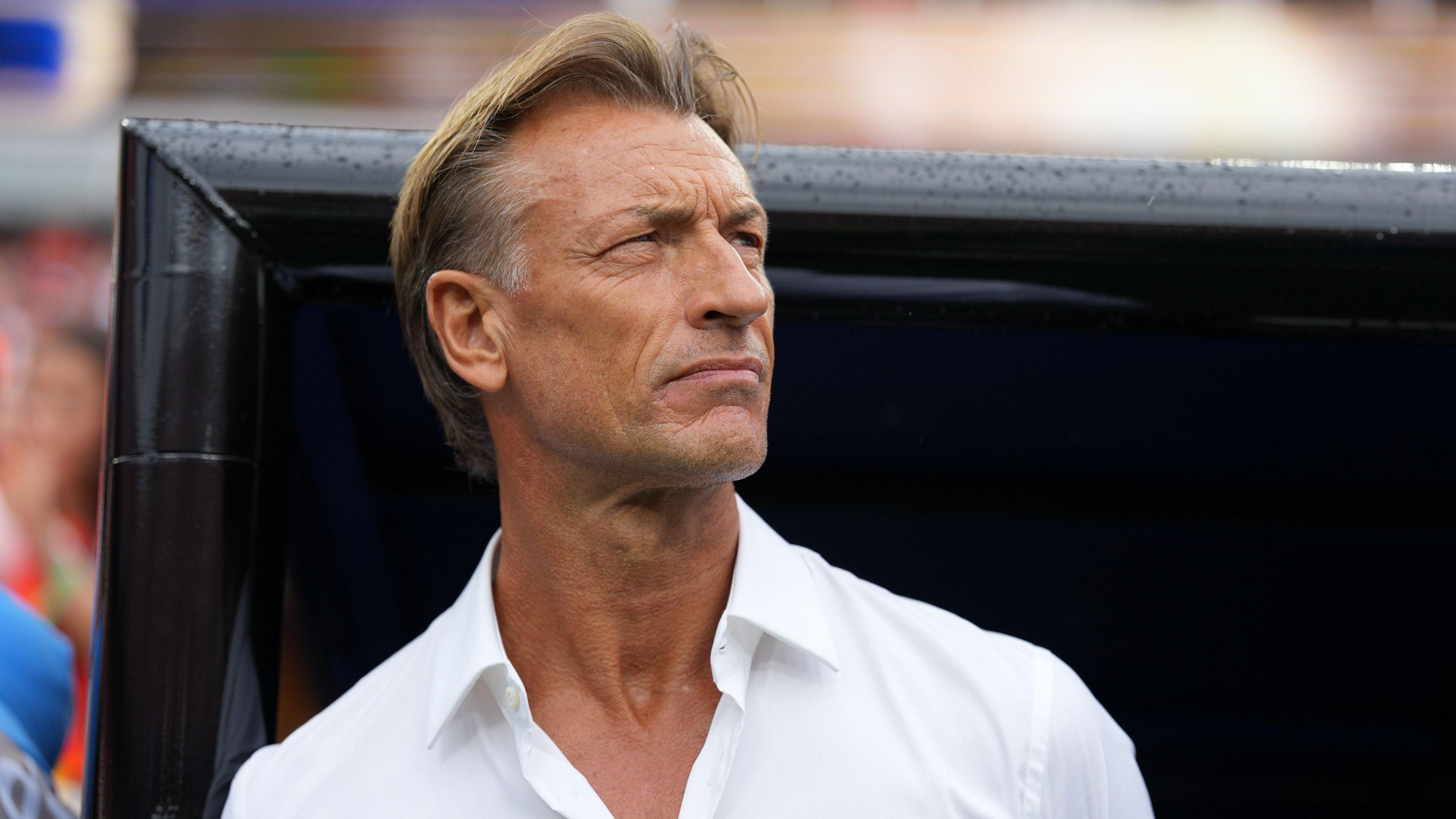 Image source, Getty Images
Herve Renard was not able to revive Tunisia's fortunes at short notice after being appointed during the group stage
Tunisia were the big disappointment of the finals, sacking coach Sabri Lamouchi - who had only been hired in January - after a 5-1 defeat by Sweden in their Group F opener.
They quickly installed Herve Renard but the two-time Afcon winner could not turn around their fortunes as they suffered a 4-0 reverse against Japan and a 3-1 loss at the hands of the Netherlands.
There are questions for Ghana, too, despite making the knockout stage for the first time since 2010.
The Black Stars did not have a shot on target as they exited against Colombia in the last 32 and registered just four on target in total across their four games as coach Carlos Queiroz prioritised defence.
Only Iraq had fewer attempts than Ghana at the tournament.
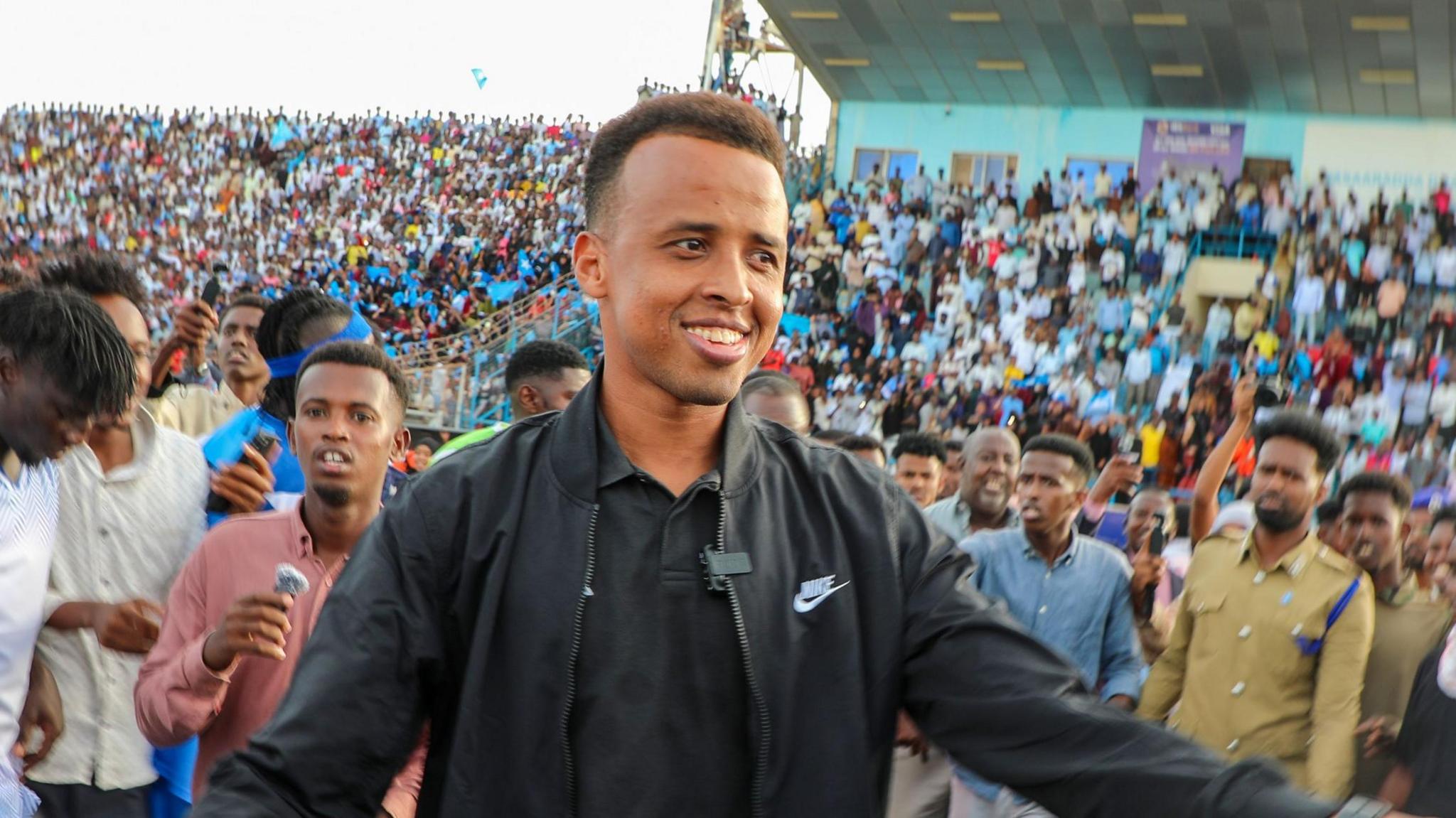 Image source, Getty Images
Somali referee Omar Artan was given a hero's welcome on his return to Mogadishu after being denied entry to the United States
Despite the drama and achievements on the pitch, it must be remembered that this was a World Cup which shut out much of Africa.
Supporters from Ivory Coast and Senegal were barred from receiving the type of visitor visa that US authorities recommended for travelling fans, while people from Algeria, Cape Verde and Tunisia were initially asked to pay a deposit of up to $15,000 (£11,000) to obtain a visa.
The continent's top referee, Omar Artan, was also turned away five days before the finals began despite the Somalian claiming he held the right papers for entry. Uefa quickly appointed Artan to take charge of August's Super Cup between PSG and Aston Villa.
Fifa were criticised heavily over Artan's exclusion and later also came under fire after suspending a one-match ban handed to United States striker Folarin Balogun. Caf did not publicly denounce the world governing body on either issue despite a scathing statements from its European counterpart.
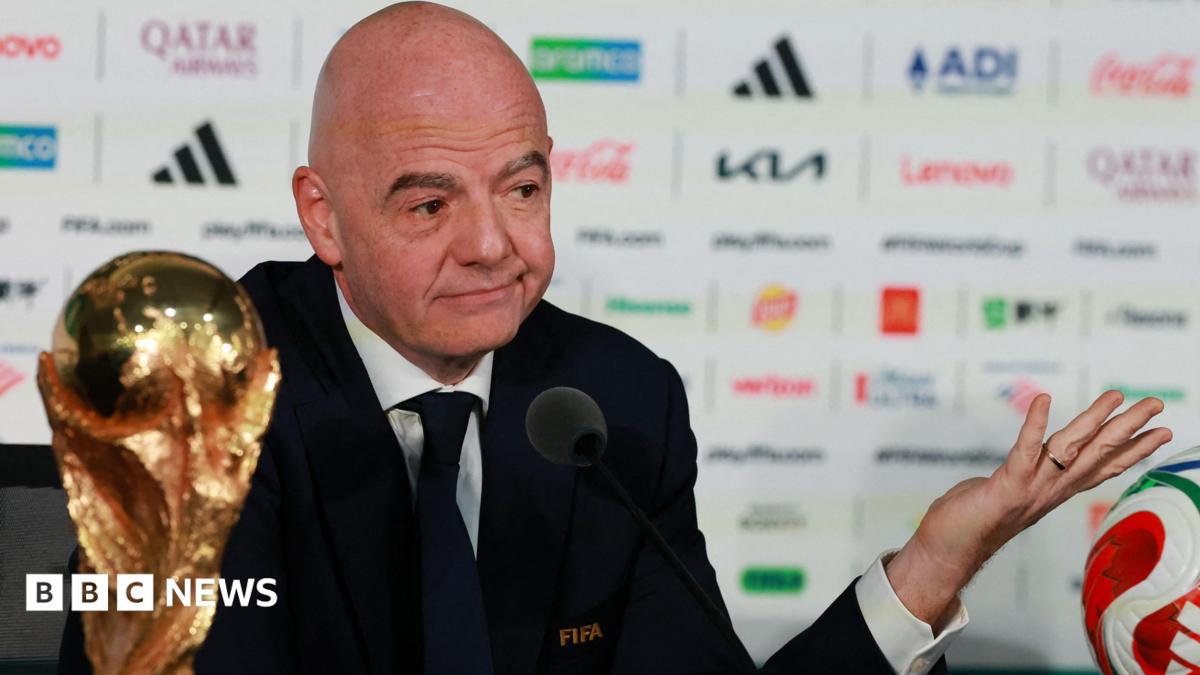
After the success of the first 48-team edition, Fifa president Gianni Infantino has opened the door to a 64-team World Cup, which would mean even more spots for Africa.
Despite a series of firsts being recorded this year, slow progress remains the order of the day for the continent's sides.
Additional reporting by Isaiah Akinremi.